
In person in Ottawa · Online across Ontario
Gottman Method Therapy Ottawa: Find a Better Way to Talk
You care about each other, but your conversations keep going wrong. A small disagreement turns into criticism, defensiveness, silence or another night spent feeling far apart.
Gottman Method therapy helps couples understand the habits shaping their relationship and practise clearer ways to listen, respond and repair. Meet with Caitlin Kemmett, Registered Psychotherapist (Qualifying), in person at our Wellington West office or through secure video anywhere in Ontario.
When the same pattern keeps returning
You’re not just arguing about the dishes.
The topic looks simple: chores, money, the phone, parenting, sex or plans for the weekend. Yet the conversation carries something bigger. One person feels dismissed or alone. The other feels blamed, controlled or unable to get anything right.
You try to explain yourself, but your partner hears criticism. You ask for space, but your partner experiences it as rejection. One of you gets louder while the other gets quieter. Soon, both of you are protecting yourselves instead of hearing each other.
After enough difficult conversations, you start to expect the worst. A sigh sounds hostile. A question feels like an attack. Even a reasonable request brings up old hurt. You still love each other, but it feels harder to reach the version of the relationship where you laughed, worked as a team and trusted that you were on the same side.
“We talk, but nothing gets resolved.”
“Every disagreement turns into a bigger fight.”
“We feel more like roommates than partners.”
“I don’t know how to bring things up anymore.”
The goal isn’t to eliminate every disagreement. Couples can learn to handle conflict with less harm, repair after difficult moments and protect the friendship underneath the stress.
A practical couples therapy approach
What is the Gottman Method?
The Gottman Method is an approach to couples therapy developed from decades of research into couple relationships, including how partners communicate, manage conflict and maintain connection over time.
Instead of treating every disagreement as a separate problem, the approach looks for patterns. It pays attention to how conversations begin, what happens when emotions rise, how partners respond to bids for attention and whether they can repair after something goes wrong.
The work is structured, but it isn’t a lecture or a set of rules for being a perfect couple. Your therapist helps you understand what happens between you and introduces exercises that fit the concerns you bring. You practise the skills in session so they’re easier to use when real life gets tense.
Some couples use Gottman Method therapy because conflict feels constant. Others rarely fight but feel distant, lonely or stuck in a practical partnership without much warmth. Couples also reach out during major transitions, after a breach of trust or before making an important decision about the future.
Reasons couples reach out
What Gottman Method therapy can help you work through
You don’t need a perfect explanation of the problem. Start with the part of your relationship that feels hardest right now.
Recurring conflict
You argue about different topics, but the conversation follows the same path. Therapy helps you notice the pattern earlier and respond before it takes over.
Feeling disconnected
You share a home and responsibilities, but closeness has faded. You want to rebuild friendship, affection and a stronger sense of being a team.
Communication breakdowns
You interrupt, withdraw, defend or struggle to say what you mean. Therapy gives you a clearer structure for talking and listening.
Trust after hurt
An affair, secret or other betrayal changed the relationship. Therapy creates space to understand the impact and discuss what repair would require.
Intimacy concerns
Affection, sex or emotional closeness feels difficult to discuss. You want a way to talk that respects both partners’ needs and boundaries.
Major life changes
Parenthood, work stress, grief, a move or changing roles put pressure on your connection. You want to adjust without losing each other.
Understanding difficult conversations
Four habits that can make conflict harder
The Gottman Method describes four communication habits sometimes called the “Four Horsemen.” Seeing these habits isn’t about blaming either partner. It gives you names for patterns that can be changed.
Criticism
A complaint focuses on one problem. Criticism turns the problem into a statement about your partner’s character: “You never care” or “You’re so selfish.” The alternative is a gentler start that names the situation, your feeling and what you need.
Defensiveness
You explain, deny, counterattack or point out your partner’s mistake because you feel accused. The alternative is to slow down and take responsibility for the part that belongs to you without accepting blame for everything.
Contempt
Sarcasm, mockery, name-calling and eye-rolling communicate disrespect. The alternative includes speaking with basic respect and intentionally noticing what you value about each other.
Stonewalling
One partner becomes overwhelmed and stops responding, leaves or shuts down. The alternative is a planned break that gives the nervous system time to settle, followed by a return to the conversation.
Most couples recognize at least one of these habits. Recognizing them doesn’t mean your relationship is doomed. It gives you a practical place to begin.
What you practise in therapy
Gottman Method therapy builds skills you can use at home
Insight matters, but insight alone doesn’t always change what happens during a stressful Tuesday night. Gottman Method couples therapy includes practice.
- Start conversations more gently so your partner has a better chance of hearing the concern instead of preparing for an attack.
- Listen for the meaning underneath the words and show that you understand before rushing to explain or solve.
- Notice when either person is overwhelmed and take a useful break instead of disappearing or forcing the conversation to continue.
- Make and accept repair attempts through words, humour, touch or a clear request to start again.
- Discuss ongoing differences without treating every unresolved issue as proof that the relationship is failing.
- Respond to small bids for connection so everyday moments support friendship rather than distance.
- Express appreciation and respect in ways that feel real, specific and consistent.
- Talk about shared goals and meaning so the relationship is more than a list of tasks and problems.
These skills aren’t scripts that force every couple to sound the same. Your therapist helps you use them in language that fits your relationship and culture.
What sessions feel like
What to expect from Gottman couples therapy
Your first sessions focus on understanding your relationship. Caitlin asks about what brings you in, what goes well, how conflict unfolds and what each of you hopes will change. Both partners have room to describe the relationship from their point of view.
From there, you identify priorities together. One couple needs help talking without escalating. Another needs to rebuild warmth. Another needs a careful conversation about trust, sex, parenting or the future. The work is shaped around the concerns you bring rather than a one-size-fits-all checklist.
During a session, you sometimes speak directly with your partner while Caitlin helps you slow the conversation down. She points out the moment a familiar pattern appears, helps you try a different response and makes sure both partners have space to participate.
Not every session feels easy. Honest conversations can bring up sadness, anger, fear or disappointment. Therapy provides structure so these emotions can be discussed without turning the room into another version of the same fight.
Couples therapy is not about deciding who is right. It is about understanding the relationship between you, reducing harmful patterns and helping each person communicate more clearly.
Meet your couples therapist
Couples therapy with Caitlin Kemmett
Caitlin is currently the therapist at Therapy with Empathy who offers couples therapy.
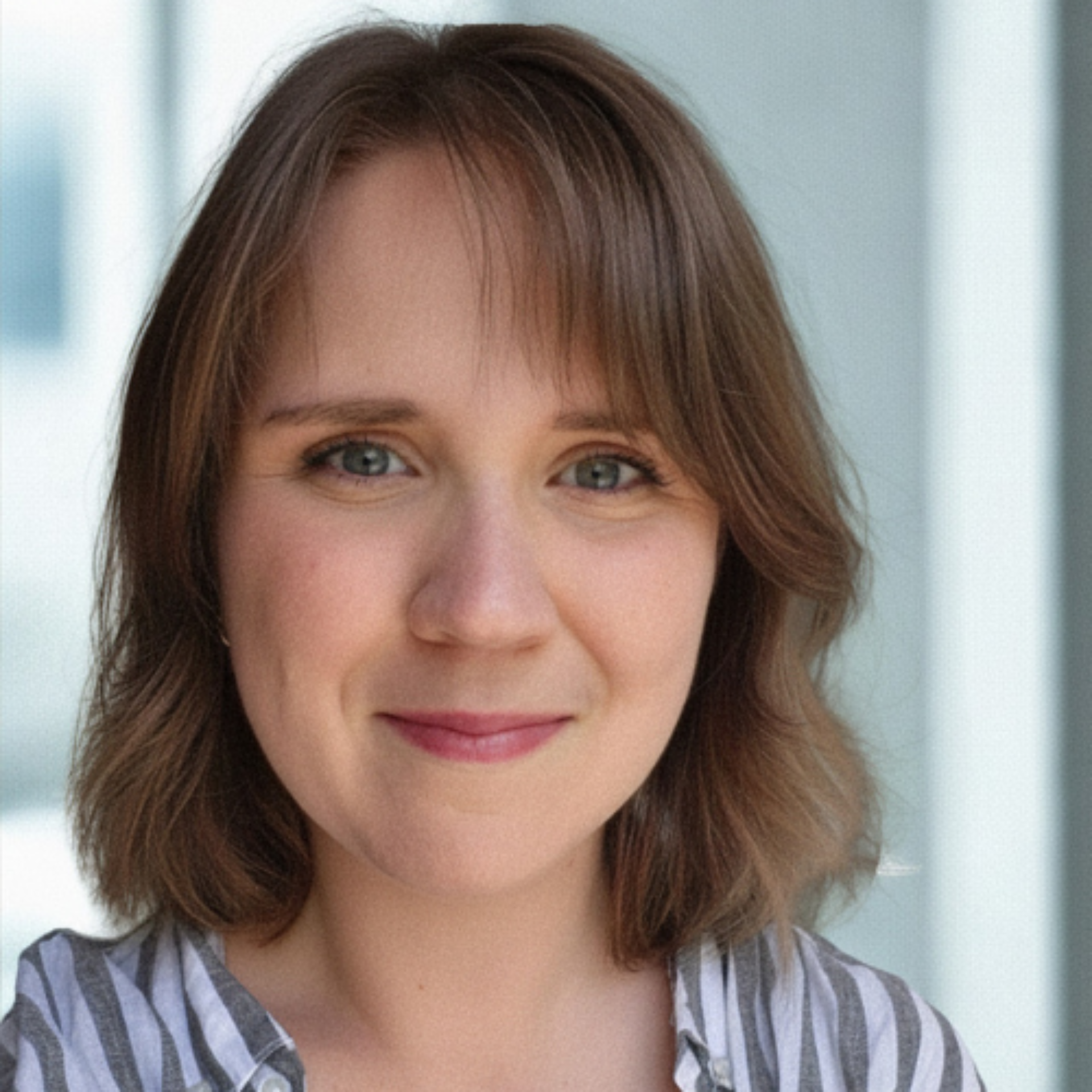
Caitlin Kemmett
Registered Psychotherapist (Qualifying)
Caitlin works with couples facing repeated conflict, disconnection, infidelity, ethical non-monogamy, parenting changes, ADHD, neurodiversity and major life transitions.
Her style is warm, direct and collaborative. She helps couples slow difficult conversations down, understand what each person is trying to communicate and practise responses that create more clarity and respect.
Language: English
In person: Wellington West office
Online: Across Ontario
In-person couples therapy in Ottawa
Meet at our Wellington West office
Therapy with Empathy has one physical office. It is located on Wellington Street West, near Westboro, Hintonburg, Tunney’s Pasture, Mechanicsville and Hampton Park.
Therapy with Empathy
Suite 202
1355 Wellington Street West
Ottawa, Ontario K1Y 3C2
Getting here
Nearby parking is available. The office can also be reached by public transit, with LRT access through Tunney’s Pasture station and connecting bus routes.
Secure virtual couples therapy is available across Ontario when meeting online works better for your schedules.
Getting started
Start Gottman Method therapy in three simple steps
You don’t have to solve the relationship before asking for help. Begin with a short conversation.
Book a free consultation
Choose a free 20-minute phone consultation. Share what brings you to couples therapy and ask practical questions before booking a full session.
Meet Caitlin
Caitlin will explain how she works with couples and ask what you hope will change. You can decide whether her approach feels right for both of you.
Attend your first session
Your first session begins with the story of your relationship, the concerns bringing you in and the strengths you want to protect. Attend in Ottawa or online from elsewhere in Ontario.
Frequently asked questions
Questions about Gottman Method therapy
What is the Gottman Method?
The Gottman Method is a structured approach to couples therapy informed by research into couple relationships. It helps couples strengthen friendship, manage conflict, communicate more clearly and build shared meaning.
Who offers Gottman Method therapy at Therapy with Empathy?
Caitlin Kemmett, Registered Psychotherapist (Qualifying), currently offers couples therapy at Therapy with Empathy. She meets with couples in person at the Wellington West office and online across Ontario.
Does the Gottman Method stop couples from arguing?
The goal is not to remove every disagreement. Conflict is part of close relationships. Therapy helps couples handle disagreements with less harm, understand ongoing differences and repair after difficult moments.
Can Gottman Method therapy help after infidelity?
It can support couples working through an affair or another breach of trust. Therapy gives both partners space to discuss the impact, ask questions and understand what repair would require. It does not guarantee reconciliation or pressure either partner to stay.
Is the Gottman Method only for married couples?
No. Couples do not need to be married to attend. The approach can be used with dating, engaged, married and long-term partners, including partners in consensually non-monogamous relationships.
Can we attend couples therapy online?
Yes. Secure virtual couples therapy is available to clients located anywhere in Ontario. In-person appointments are available at the Wellington West office in Ottawa.
Where is your Ottawa couples therapy office?
The office is at Suite 202, 1355 Wellington Street West, Ottawa, Ontario K1Y 3C2. Nearby parking is available, and the office is accessible by public transit from Tunney’s Pasture station and surrounding neighbourhoods.
Do we need a referral for couples therapy?
No referral is needed to contact Therapy with Empathy or book a consultation. If you plan to submit receipts to insurance, check your policy because coverage for couples therapy and psychotherapy varies.
Is Gottman Method therapy covered by insurance?
Some extended health plans cover psychotherapy provided by a Registered Psychotherapist or Registered Psychotherapist (Qualifying). Every policy is different, so ask your insurer about couples therapy, provider requirements and yearly limits.
What if my partner does not want to attend?
Couples therapy generally involves both partners. If your partner does not want to participate, individual therapy can still help you understand your reactions, boundaries and choices. A free consultation can help you decide where to begin.
How long does Gottman Method therapy take?
There is no single timeline for every couple. The length of therapy depends on your concerns, level of distress, past injuries, goals and how often you attend. Caitlin can discuss progress and next steps as the work develops.
What happens in the free consultation?
The consultation is a 20-minute phone conversation. You can briefly explain what brings you in, ask questions about Caitlin’s approach and decide whether you want to book a full couples therapy session.
A different conversation can start here
You don’t have to keep repeating the same fight
Book a free 20-minute consultation with Caitlin to ask questions, talk briefly about what is happening and decide whether Gottman Method couples therapy feels like the right next step.